


High blood pressure is one of the most common heart diseases, currently diagnosed with one in three inhabitants of the planet over the age of 45.In recent years, hypertension has become significantly younger, and very young patients with hypertension can often be seen among patients with hypertension.The main danger of pathological conditions lies in their complications.High blood pressure can lead to heart attacks and strokes, cause aneurysms in large blood vessels to rupture, cause severe damage to kidney function and drastically worsen vision quality.
A person's blood pressure has higher cardiac blood pressure, or systolic blood pressure, and diastolic blood pressure, or lower renal blood pressure.According to the standards of the World Health Organization, the normal values of these indicators should not exceed 139/89 mmHg.Art, otherwise it is customary to talk about hypertension.Early diagnosis and timely treatment of hypertension is an opportunity for a person to prevent disease in many internal organs, allowing the person to stay healthy and enjoy many years of fulfilling life.
reason
Unfortunately, modern medicine has not been able to fully elucidate all possible causes of high blood pressure, but most of them are known to doctors.Only an experienced specialist can determine the factors that contribute to the development of the disease, who during the diagnostic process uses not only his knowledge, but also the results of numerous studies to confirm or refute the presence of signs of hypertension in a person.
The main reason for the increase in blood pressure is the violation of the activity of the human sympathoadrenal system, that is, the center responsible for the narrowing of blood vessels in the brain is constantly stimulated.
This may occur under the influence of a number of exogenous and endogenous factors that lead to sudden vasospasm.
Symptoms of hypertension may appear in people with so-called exogenous risk factors for the development of pathological conditions:
- frequent stress and severe nervousness;
- malnutrition;
- sedentary lifestyle;
- Long working hours and night shifts;
- Regular consumption of large amounts of hard alcoholic beverages and smoking;
- poison;
- Intense physical activity.
Among endogenous factors, age and poor genetics are the most important, since the disease can be transmitted from parents to children.The following factors also contribute to the development of hypertension:
- Damage to blood vessels caused by atherosclerosis;
- obesity;
- Metabolic diseases, especially diabetes and hyperthyroidism;
- kidney disease;
- increased levels of calcium and sodium in the blood;
- Hormonal changes, which are the most common cause of high blood pressure in women during pregnancy and menopause.
Classification
Currently, there is more than one classification of hypertension.The disease is usually distinguished by the nature of its course, the presence of complications, causes of development, stress indicators, etc.
Modern cardiologists distinguish several degrees of hypertension (based on indicators of high blood pressure):
- 1 degree – Pressure rises to 159-140/99-90 mm Hg.Art.;
- 2 degrees - On the needle of a mechanical tonometer, the diagnostic index is 179-160/109-100 mm Hg.Art.;
- Grade 3 – Sustained or periodic increase in pressure exceeding 180/110 mm Hg.Art.
According to the accepted World Health Organization classification, the disease has the following stages:
- Stage 1 – a brief increase in pressure without damaging target organs;
- Stage 2 - Signs of damage to internal organs, with the heart, blood vessels, eye structures, brain and kidneys being the main targets;
- Stage 3 - Steady increase in blood pressure in the context of complications that may lead to death.
Hypertensive disorders certainly have their own types, including:
- Benign or indolent variant hypertension, in which pathological symptoms develop very slowly over decades and the risk of complications is assessed as minimal;
- A malignant disease characterized by sudden increases in pressure, damage to target organs, and frequent hypertensive crises (variants of this disease are difficult to treat with medications).
symptom
In the initial stages of its development, the disease is virtually asymptomatic, which complicates its early detection.In such patients, hypertension may be discovered incidentally during a physical examination or during a routine appointment at the clinic.

More complex types of hypertension are characterized by many signs that significantly worsen a person's quality of life, which is why he or she is referred to a specialist.The main symptom of the disease is an increase in blood pressure above 140/90 mmHg.Art.This condition can trigger headaches, which are the result of a reflex narrowing of blood vessels in the brain.Typically, people prone to hypertension complain of pain in the back of the head and temples, which is pulsating in nature and characterized by severe and sudden onset.This pain and throbbing will not go away after taking painkillers.
People with high blood pressure often experience isolated episodes of dizziness, which may occur after performing simple tasks.This symptom is often accompanied by nausea, vomiting, and general discomfort caused by increased intracranial pressure.When a person feels that his ears are severely blocked, the constriction of the blood vessels in the hearing aid can cause tinnitus, and he almost loses the ability to normally perceive surrounding sounds.
Infringement of coronary blood flow can lead to myocardial ischemia.Such patients experience shortness of breath and chest pain, symptoms that can be easily corrected with the help of nitrates.At this point, the organ works in boost mode to be able to push a batch of blood into the narrowed main blood vessel.Every attack of angina is accompanied by a rapid pulse, marked palpitations, and the risk of developing terrible pathological complications such as myocardial infarction.
In the case of hypertension, ocular dysfunction is manifested by a sharp deterioration of vision and the development of hypertensive vasculopathy of the retinal vessels.The pathological process also involves the fundus of the eye, causing swelling and compression of the optic nerve.At this time, people will notice "goosebumps" and dark circles appearing in front of their eyes.
Complications of high blood pressure symptoms in women most commonly occur during menopause.During this time, hormonal changes occur in a woman's body, disrupting the production of bioactive substances that control normal blood pressure levels.This is why high blood pressure is the most common consequence of menopause in women.
complication
HD is a slowly progressive, insidious disease that is usually diagnosed at the onset of the first complications of the pathological process.As blood pressure continues to rise, target organs undergo dystrophic and sclerotic changes, leading to severe dysfunction.First, the kidneys, brain, heart, visual analyzer, and blood vessels are all affected by arterial hypertension.
Several risk factors influence the incidence and severity of hypertension complications:
- Bad habits, especially smoking;
- Sedentary lifestyle and increased body mass index;
- elevated blood cholesterol and high blood sugar;
- often under stress;
- Lack of potassium and magnesium in the body;
- age-related changes;
- Genetic predisposition.
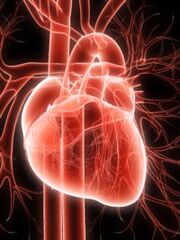
With hypertension, the heart is forced to work under increased pressure, related to the need to push blood into narrowed blood vessels.Over time, the heart muscle walls thicken and a person experiences left ventricular hypertrophy and heart muscle hypoxia.
Cardiacly speaking, complications of high blood pressure include the following types:
- ischemic disease;
- Angina pectoris;
- coronary atherosclerosis;
- acute heart failure in the form of myocardial infarction;
- Chronic heart failure.
High blood pressure can cause people to develop brain diseases, which can actually manifest as severe dizziness, headaches, tinnitus, memory loss, etc.There are many options for complex brain complications of hypertension:
- Encephalopathy with vestibular disease;
- ischemic and hemorrhagic stroke;
- Cognitive impairment of brain activity.
As you know, the kidneys control the amount of water and salt in the body.But when blood pressure is elevated, they can perform their primary job adequately.This can lead to many complications, including:
- kidney failure;
- Filtration and fluid secretion dysfunction;
- Renal sclerosis.
These diseases cause patients with hypertension to experience many symptoms that indicate renal pathology.The patient begins to complain of general weakness, malaise, swelling, and unexplained nausea.
Eye damage manifests as retinal hemorrhage, optic nerve head swelling, and progressive vision loss.For peripheral vessels with arterial hypertension, the most dangerous complication is dissection of the vessel wall, especially the well-known aortic aneurysm, which forms asymptomatically and often leads to sudden death.
diagnosis
Diagnosis of hypertension by determining the stage and extent of the disease is an important step towards appropriate treatment of the pathological condition.Therefore, when the first signs of high blood pressure appear, you should contact a medical facility immediately to find out the cause of high blood pressure and how to correct it.
The diagnostic suite of suspected hypertension includes a number of laboratory and instrumental studies, including:
- Laboratory blood tests to determine levels of potassium and magnesium, creatinine, bad cholesterol, glucose, and more;
- Biochemical studies of urine to measure protein content;
- Electrocardiogram (ECG);
- Cardiac ultrasound examination;
- Doppler flowmeter;
- Fundus examination.
The diagnostic procedure for hypertension allows us to determine the extent of damage and consists of two stages:
- The first stage is to determine the clinical manifestations of the disease from the speech of hypertensive patients and obtain the results of complementary studies;
- Phase II is a special study that allows you to use magnetic resonance therapy (MRI) or X-rays to determine the exact extent of the patient's disease and the presence of its complications.
Daily blood pressure monitoring can give you an accurate picture of how your condition is progressing.With its help you can determine the range of pressure fluctuations throughout the day and determine their average value, which will characterize the degree of hypertension.The main disadvantage of such studies is their high cost.
treat
Treatment of exacerbations of hypertension should be carried out in a cardiac hospital, where blood pressure levels can be continuously monitored.In addition, if necessary, doctors can modify the patient's treatment plan and prescribe more effective drugs for each specific clinical case.
Treatment of the disease begins with the prescription of a special diet with strict restrictions on salt, fatty and fried foods, as well as offal, bacon and flour products.Nutrition of patients with hypertension aims at improving the general condition, preventing the occurrence of edema, normalizing body weight, etc.
According to new European recommendations, treatment of hypertension should be comprehensive and must include a variety of drugs whose action is aimed at lowering blood pressure and eliminating the risk of transforming the disease into a malignant course or developing complications of pathological conditions.The most commonly used medications to treat high blood pressure include:
- alpha-blockers;
- ganglion blockers;
- angiotensin-converting enzyme inhibitors;
- beta blockers;
- Calcium channel blockers;
- Diuretics.
Doctors pay special attention to prescribing diuretics.In fact, not all diuretics are physically safe for people with high blood pressure due to their potassium-leakage properties.This is why taking such drugs should be combined with potassium supplements while controlling the biochemical composition of the blood.Additionally, diuretics not only lower blood pressure but also eliminate tissue swelling by removing excess sodium.
Self-treatment of high blood pressure is strictly prohibited.
Traditional antihypertensive medications are also not recommended without your doctor's approval.Prohibited behavior as a major contraindication may trigger an emergency hypertensive crisis, requiring immediate transport of the patient to a specialized hospital to determine the cause of the complication and to decide on a strategy for further elimination of the complication.

prevention
To prevent hypertension, it is necessary to adopt a series of measures aimed at promptly identifying and eliminating the risk of developing pathological conditions and stabilizing existing hypertension.To prevent the onset of the first symptoms of the disease, people should regulate their lifestyle, abandon bad habits and salt intake, increase physical activity, and lose excess weight.Special attention should be paid to the health of potential patients at risk for hereditary hypertension.Such people should carry a pressure-measuring device with them to monitor stress conditions.
Blood pressure problems can be prevented by:
- Maintain an active lifestyle (physiotherapy, fitness, massage, walks in the fresh air, skiing, swimming in the pool) and train regularly in the gym;
- Quit junk food, smoking and drinking;
- Reduce salt intake to 3-4 grams per day;
- Avoid foods high in animal fats, preservatives and cholesterol;
- Maintain a clear daily routine and ensure adequate sleep;
- Prevent excess fat deposition, which can lead to obesity;
- Prevent stressful situations;
- Get regular preventive check-ups with a cardiologist and undergo necessary tests;
- At the first signs of increased blood pressure, seek medical help immediately.
People with a genetic tendency to high blood pressure should pay attention to their health, exercise, and have regular check-ups.Ready diagnosis of hypertension involves clinical observation of the patient and, if necessary, referral to a board for determination of disability.